
The Meaning of All 12 Houses
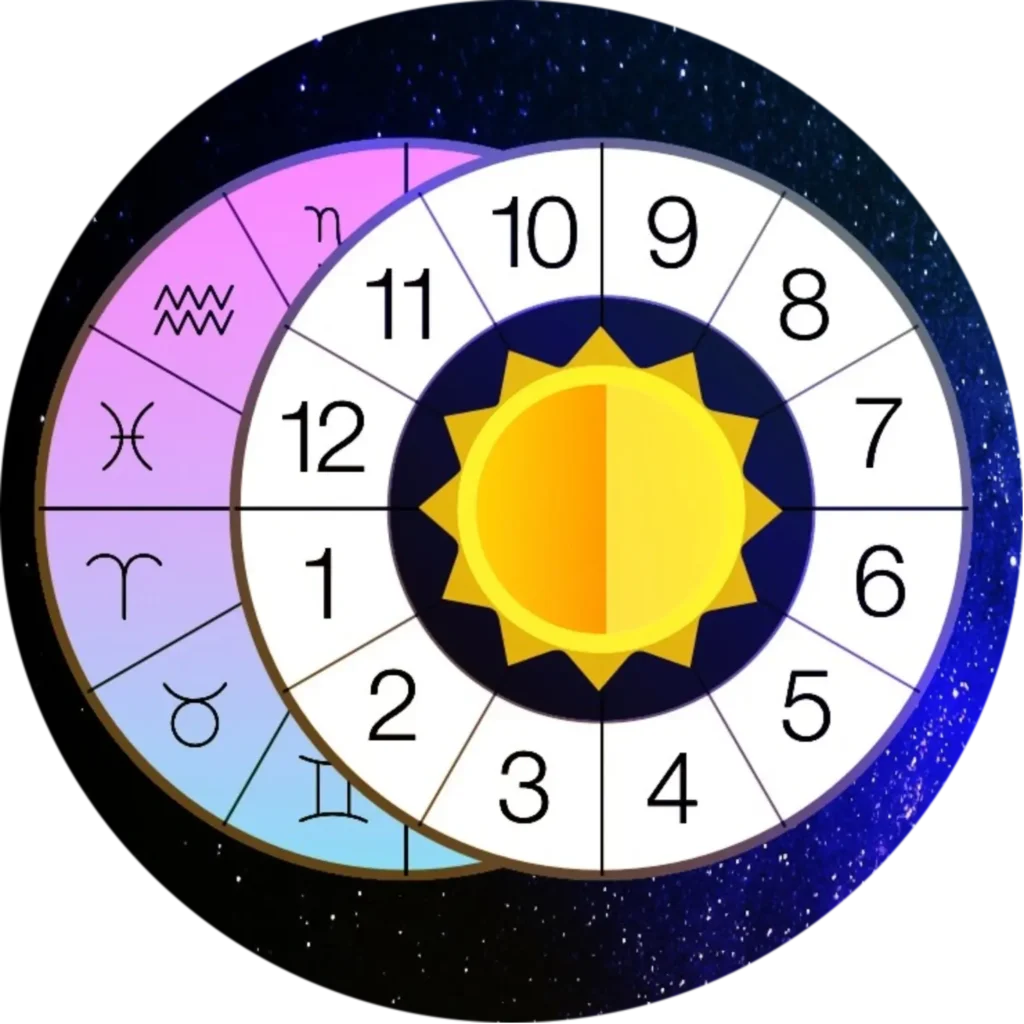 In astrology, the twelve houses form the structural backbone of the astrology house system, revealing how energy manifests through the different areas of everyday life. Understanding the meaning of houses in astrology allows you to interpret not just who you are, but how and where your experiences unfold. When you explore the 12 houses of astrology explained in a birth chart, you begin to see how each house shapes identity, relationships, growth, ambition, and destiny.
The first house meaning speaks to personality, self-expression, and the way you meet the world, while the seventh house governs partnerships and seventh house relationships, showing the type of people you attract and the commitments you form. The eighth house transformation reveals deep psychological evolution, shared resources, intimacy, and rebirth, while the tenth house career highlights ambition, reputation, and the public path you are meant to build. Every planet gains nuance through its location, and studying planetary placements by house offers incredibly detailed insight into your motivations, emotional patterns, strengths, and long-term potential.












Zodiac Signs — Meaning in Astrology
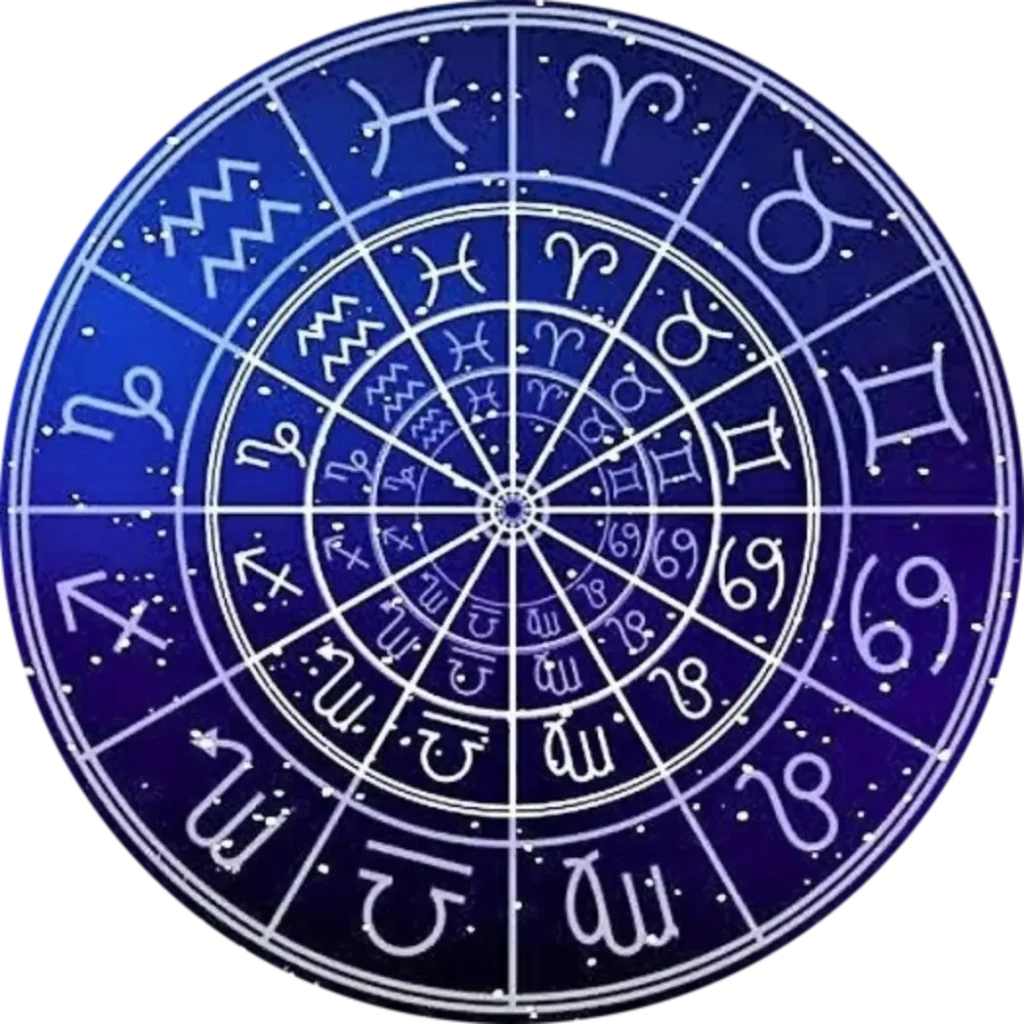 The zodiac is the symbolic heart of zodiac astrology, shaping the way we understand personality, emotional expression, and the rhythms of human behavior. Each sign within the zodiac carries its own energy, offering a distinct voice in the broader conversation of astrology and horoscope traditions. When we explore zodiac signs astrology, we uncover the deeper patterns that describe how individuals respond to life—how they love, communicate, pursue goals, and navigate challenges.
While a daily zodiac horoscope provides a quick glimpse of current influences, the zodiac signs themselves offer something far more lasting: a foundational map of temperament and instinct that colors every birth chart. Understanding the meaning in astrology behind each sign allows us to interpret character with greater nuance and compassion, transforming astrology into a powerful tool for self-awareness and personal growth.
👉 View All Zodiac Sign Meanings →
Predictive Astrology: Can astrology predict future?
Predictive astrology is a branch of astrology that attempts to predict future events and experiences based on the movements of the planets and their relationship to a person’s natal chart. By studying the planetary transits and aspects, astrologers can gain insight into the potential outcomes of certain situations, as well as the timing of significant life events.
Individual horoscopes are created by analyzing a person’s birth chart, which is a snapshot of the planets’ positions at the exact moment of their birth. This chart provides valuable information about a person’s personality, strengths, weaknesses, and potential life path.
However, it’s important to note that while astrology can provide insight into potential future events, it is not a definitive prediction of what will happen. Free will, personal choices, and external factors can all influence the outcome of a situation, even if the astrological indicators suggest a different outcome.
As for the fate of a person, astrology suggests that we all have a certain destiny or life path that is influenced by the planetary energies at the time of our birth. However, astrology also acknowledges that we have the power to shape our own destiny through our thoughts, actions, and choices. While some events and experiences may be fated or predetermined, we still have the power to make choices that can alter the course of our lives.
The predictive astrology can be a useful tool for gaining insight into potential future events and understanding the energetic influences at play in our lives. However, it’s important to remember that astrology is just one tool for gaining insight and should not be relied on as the sole predictor of our future. Ultimately, it’s up to each individual to make their own choices and shape their own destiny.
- Predictive astrology
- Future predictions
- Horoscope
- Planetary transits
- Astrological forecast
- Astrological prediction
- Natal chart
- Transit chart
- Progressed chart
- Retrogrades
- Astrological aspects
- Astrological houses
- Timing events
- Astrological cycles
- Forecasting techniques
- Timing methods
- Secondary progressions
- Solar returns
- Lunar returns
- Predictive techniques.
There are several predictive astrology techniques that astrologers use to analyze these transits and aspects. One of the most common techniques is called “transits,” which involves looking at the current positions of the planets in relation to your natal chart. The transiting planets can influence your chart in various ways, depending on their position and the aspects they form with the planets in your chart.
Another predictive technique is called “progressions,” which involves advancing your birth chart by one day for each year of your life. This creates a “progressed chart” that can provide insight into the energies and experiences you may encounter during a certain period of time.
Other predictive techniques include solar and lunar returns, which look at the positions of the Sun and Moon on your birthday each year, and planetary cycles, which analyze the movements of the outer planets over longer periods of time.
Astrology predictions on love, career
In terms of love, astrology can provide insights into a person’s compatibility with their partner based on their astrological signs and birth charts. For example, if two people have compatible signs and aspects, they may have a smoother and more harmonious relationship. On the other hand, if there are challenging aspects between their signs, they may face more difficulties and challenges in their relationship.
Astrology can also provide insights into a person’s romantic timing, indicating periods of time when they may be more likely to meet a compatible partner or experience significant romantic developments.
In terms of career, astrology can provide insights into a person’s potential strengths and weaknesses in different areas of work, based on their astrological chart. For example, someone with a strong placement in the tenth house of their chart, which is associated with career and public image, may have a natural talent for leadership and management.
Additionally, astrologers can predict periods of time when a person may experience career growth and success, or conversely, periods of challenge and potential setbacks.
Astrology can help individuals learn about various areas of their life, including:
The predictive astrology can provide valuable insights into the energies and potential experiences that may be in store for you. However, it’s important to remember that astrology is just one tool for gaining insight, and it’s up to each individual to make their own choices and shape their own destiny.
- Personality traits and characteristics
- Strengths and weaknesses
- Relationships and compatibility with others
- Career and professional paths
- Financial prospects and opportunities
- Health and wellness
- Life purpose and spiritual growth
- Timing of major life events such as marriage, children, career changes, and more
- Past life experiences and karmic patterns
- Emotional and psychological patterns and challenges
- Spiritual growth and evolution
- Understanding of the universal energies and cycles influencing their lives
- Guidance for making important life decisions
- Awareness of hidden talents and potentials
- Self-awareness and self-discovery
During ancient times the astrologer was looked to as the foremost scientific authority in any given field. This was because it was the astrologer that would constantly be studying mysticism, math in relation to the stars, and even alchemy.
The astrologer did not just focus his efforts on the mystic side of the stars, it was the astrologer that also studied the weather, seasons, and all areas of overall astronomy. This made the astrologer particularly knowledgeable not just about psychic and spiritual mysticism but also about natural weather cycles.
Thus the astrologer appeared to have control and a sight into the future by being able to tell when the weather would change or natural events would occur. All of this mixed together into science, pseudoscience, mysticism, psychic reading, and divination.
It was the one who studied astrology that was the true Merlin of any court. These people were brought into astrology apprenticeships by other mystics when they showed signs of psychic and mystical sensitivities. They were then taught and developed into some of the most powerful individuals within many ancient societies.
Eventually, roughly around the time of the Renaissance, the study of astrology, science, math, and other hard sciences split into specialty fields. Astrology, with its ties to spiritism, divination, and the psychic reader split off and away from hard science and into the realm of the supernatural. This is where it has remained for hundreds of years. On the outskirts of science, but with strong roots in all hard sciences from math to astronomy.
In India, astrology is used in many areas of modern day life. While there was a historical traditional of psychic tarot reading in the past, this has given way to a much more modern culture. But the adherence to astrology has remained strong in spite of societal advancements. It is not unusual at all for a person in India to consult an astrologer about marriage, business, or major life decisions.